
Thoughtful packaging. Distinctive beauty. Let’s create your next collection ↗
RUIZHI

THE RUIZHI JOURNAL

Cosmetic Tube Neck Finishes and Cap Compatibility: A Standardization Primer

Thread families, orifices, and torque maps so caps from different vendors do not surprise production.

October 2, 2024

Why "it threads onis not a specification


Minor pitch differences between vendors create creeping leaks under vibration or altitude. Orifice diameter changes dosing and drying at the nozzle. Procurement teams swap suppliers for cents while unknowingly changing the torque window the filling line was tuned for.
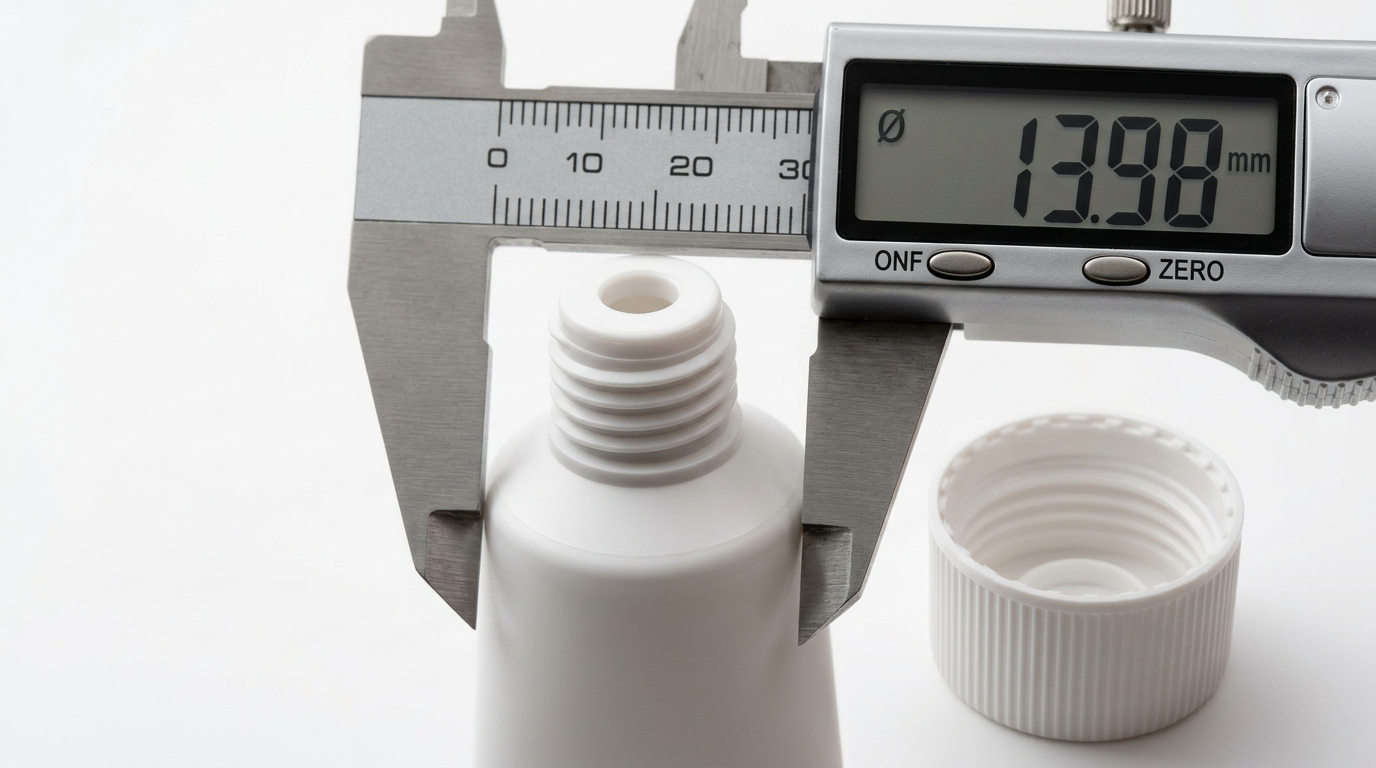

Close-up of tube neck threads and cap interface with measurement context.
Pitch and orifice deltas creep leaks under vibration—'it threads onis not a specification.

Drawings that prevent surprises


Maintain controlled drawings with tolerances for major and minor diameters, thread engagement length, and finish style. Keep golden samples from the approved tool and compare incoming lots under light magnification when disputes arise.
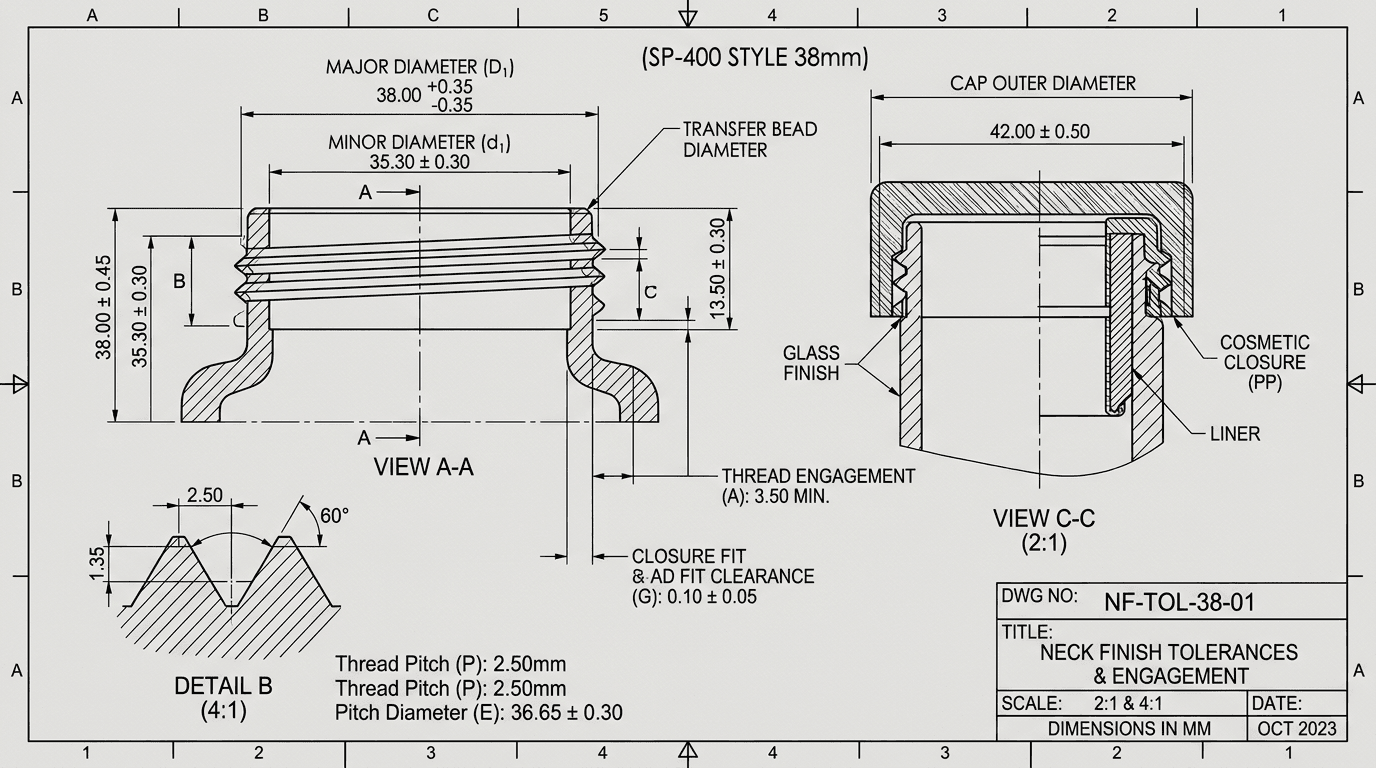

Engineering drawing excerpt for neck finish dimensions and engagement length.
Control drawings plus golden samples settle disputes faster than verbal vendor memory.

Torque testing in the real carton


Bench torque is a start; ship torque is the truth. Test capped units after simulated drops and after temperature cycling if you sell into hot climates or air cargo.
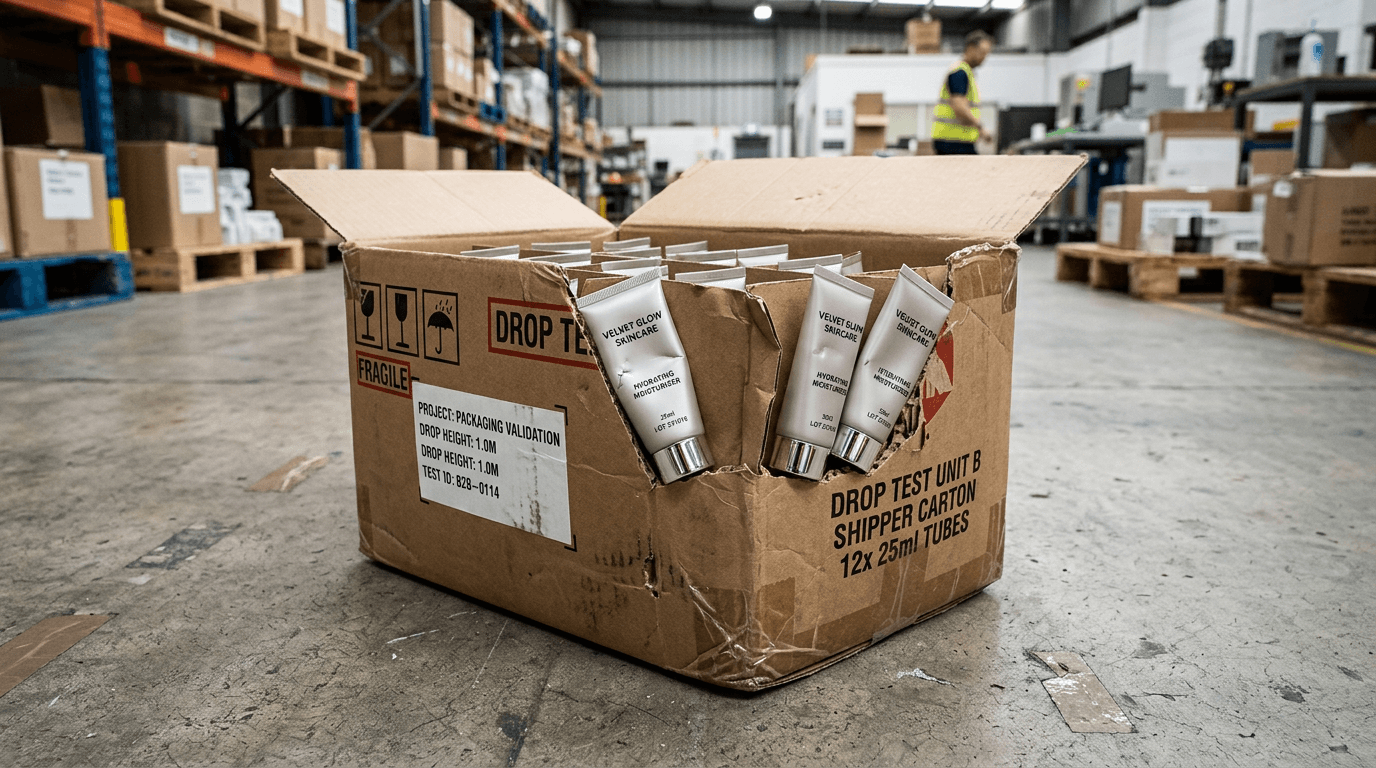

Shipper drop test setup with torque-verified capped cosmetic tubes.
Bench torque starts the story; ship tests after drops and temperature cycles finish it.

Summary


Standardize necks before you multiply SKUs. The cheapest cap is expensive if it silently changes your line performance.


Put the ideas into practice.

Compare our current RZ cosmetic packaging collection and discuss materials, compatibility and decoration with our team.

YOUR NEXT COLLECTION STARTS HERE

A beautiful idea.
A considered package.

Tell us what you’re creating ↗