
Massage Applicator Tubes: Choosing Roller, Ceramic, Silicone and Sponge Heads
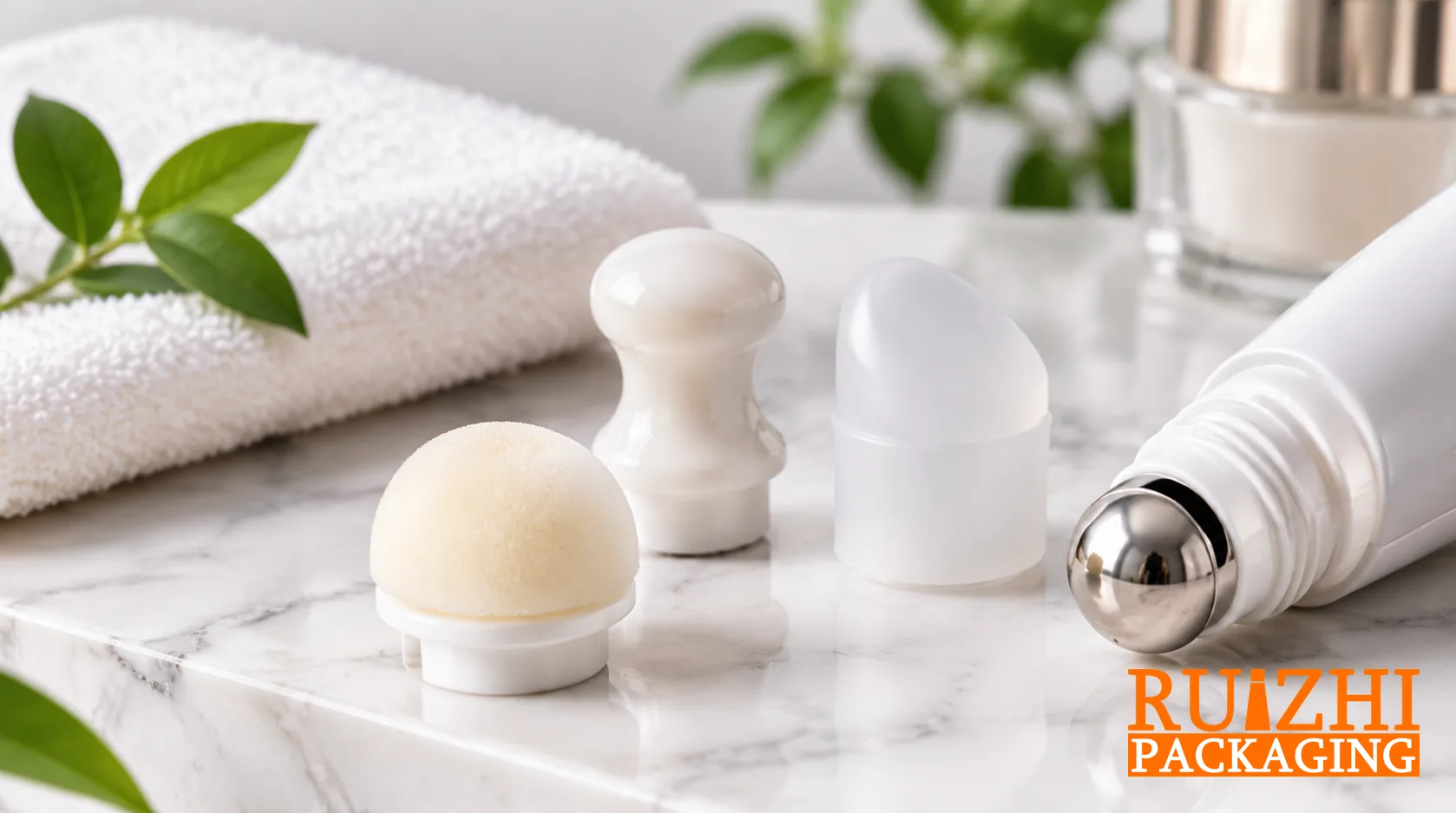
Massage functional packaging combines a reservoir with a tool that touches the skin. The head changes delivery, user technique and maintenance requirements. Roller, ceramic, silicone and sponge applicators should be selected around the job they perform rather than their novelty. The right format places a controlled amount of formula where the customer needs it without creating uncomfortable pressure, excessive residue or unexpected leakage.
Map the application before choosing materials
Define the treatment area, intended dose and whether the head spreads product or deposits it. Roller heads can distribute a thin film when their seat and clearance allow flow. Ceramic can feel cool initially, although storage conditions determine its temperature. Silicone can flex against contours. Sponge can distribute color or cream, but absorption and drying become additional design considerations.
Sensory effects need precise language
A smooth or cool applicator does not establish improved absorption, drainage or clinical efficacy. Describe physical behavior accurately and substantiate stronger claims separately. Procurement should specify surface quality and delivery performance while the brand's scientific team assesses the claims evidence. Material names are not a substitute for either task.
Inspect the complete feed path
Request a section drawing showing the reservoir connection, outlet and contact surface. Narrow channels can restrict thick cream or trap dried residue. Larger passages can release an uncontrolled blob. Test first use, repeated use and dispensing after a dwell period with the actual formula. A head demonstrated with water may behave differently with a shear-thinning gel.
Examine the assembly after inverted storage. Formula can migrate into the cap or collect behind a contact surface. If a valve is present, assess opening and closing across the intended temperature range. Changing the exterior material will not resolve a poorly controlled feed channel or an inconsistent sealing interface.
Evaluate the characteristic risks of each head
- Roller heads need controlled movement, seat quality and ball retention.
- Ceramic heads need inspection for chips, cracks and uncomfortable edges.
- Silicone heads need checks for swelling, odor transfer and shape stability.
- Sponge heads need evaluation of uptake, shedding and retained product.
These are development questions, not reasons to reject entire material families. Formula chemistry, geometry and manufacturing quality determine the importance of each risk. Compare finished assemblies rather than loose components that omit the most vulnerable joints.
Design maintenance around actual customer behavior
Contact heads encounter skin, hands and bathroom surfaces. Assess backflow, cap protection and whether residue can be removed without dismantling a critical seal. Include the dispensing format in the formula team's microbiological risk assessment. A cap protects a surface physically but does not establish sterility or preservation throughout use.
Include realistic misuse
Users may squeeze against a closed cap, press too hard or leave residue to dry. Observe these behaviors and inspect failure modes. A blocked head that can be cleaned differs substantially from a detached component or chipped edge. Test with representative users, not only trained staff who already know the correct angle and pressure.
Control the applicator supply chain
Identify who manufactures the head, applies the finish and assembles it to the tube. Agree how retention and leakage are inspected. Sub-supplier changes can alter tolerances despite an unchanged appearance. Keep joining methods, material references and change notification together so repeat orders preserve the approved application experience.
Procurement review: turn the technical choice into a controlled order
For massage applicator tubes, procurement should ask for a written specification rather than approve a photograph or a material name. Identify the finished formula reference, component drawing revisions, decoration standard and intended filling route. Classify requirements by their consequences: a cosmetic shade difference, a dispensing inconsistency and a leak require different investigation methods. Have the brand, packaging supplier and filling partner agree which characteristics are critical before requesting a commercial production release.
Sample evidence and acceptance limits
Select production-representative samples, including the intended resin, finish, assembly and decoration. Record component lot numbers and the conditions used for evaluation. A development sample made by a different process can answer an appearance question while leaving the manufacturing question unresolved. Ask the supplier to explain those differences explicitly. Retain signed samples as references, but support them with dimensions and measurable requirements because a physical reference alone cannot describe all functional limits.
Build the test plan around the failure modes described in this article. State sample conditioning, orientations, observation periods and acceptance rules before testing begins. Where measurements are necessary, specify the equipment and method. Results from different laboratories are difficult to compare when methods differ. A report saying only pass should prompt a request for underlying observations. Batch inspection sampling also serves a different purpose from compatibility or shelf-life work; one cannot replace the other simply because all use samples.
Quotation, pilot and change control
Compare quotations on total usable packs delivered to the filling location. Separate tooling, decoration setup, component costs, assembly, protective packing and transport assumptions. Clarify minimum quantities at component and color level, not just the total order. Include development samples, filling trials and expected start-up consumption in the purchasing plan. A cheaper pack can cost more overall if it requires extensive sorting, frequent line adjustment or avoidable disposal of filled rejects.
Run a pilot with the actual bulk and intended filling equipment before scaling up. Record interruptions, adjustments and reject causes. Resolve the findings with the supplier, then issue an approved production specification. Establish who owns tooling, how it is maintained and how artwork versions are controlled. Require notification when materials, finishes, factories or component sub-suppliers change. Even a visually similar substitute can affect performance, so approval of one version should not silently authorize every later variation.
Questions to settle before the purchase order
- Which production samples demonstrate the risks discussed here have been evaluated?
- What specification will the supplier and filler use for release?
- Which changes require written approval before shipment?
- Who investigates an assembled or filled-pack failure, and what evidence is retained?
These questions make a sourcing comparison more useful without assuming every supplier offers every construction. Confirm options for the specific design and order. Keep material descriptions, recycling claims and market requirements separate: a material may be available yet unsuitable for the formula, and technical suitability does not automatically substantiate a sustainability claim. Use the resulting evidence to choose a pack for its actual job, then preserve that evidence for repeat orders and future reformulations.
Explore related packaging
Compare the related collection , browse all packaging designs , review our OEM/ODM process , or send a project brief . Confirm the availability and specification of each option with our team before ordering.